Preparing for Takeoff: My Upcoming Journey to South Korea and China
By Viljena Trask
Hello everyone! My name is Viljena (vuh-lay-nah, with a silent “J”; she/her), and I am excited to participate in the ECU Global Affairs Blog Takeover.
I was born and raised in Riga, Latvia, and moved to the United States as a young adult. I now live in Cary, North Carolina. I am in the final year of my Master of Business Administration program. I am a proud member of Beta Gamma Sigma and will be completing the Emerging Leaders Certification Program through the Truist Leadership Institute this summer and fall.
For the past 15 years, I have built my career in clinical research, with a focus on oncology and the development of new therapies for patients. One of my goals for this study abroad experience is to deepen my understanding of cultural and business communication styles, which I hope to apply in my global role.
Travel Planning and Visa Adventures
Planning for this trip began with researching flights. Based on previous travel experience, I knew that flights to Seoul typically take 14 to 15 hours, so I searched for the shortest trans-Pacific option. I booked a route from Raleigh-Durham (RDU) with a connection through Seattle.
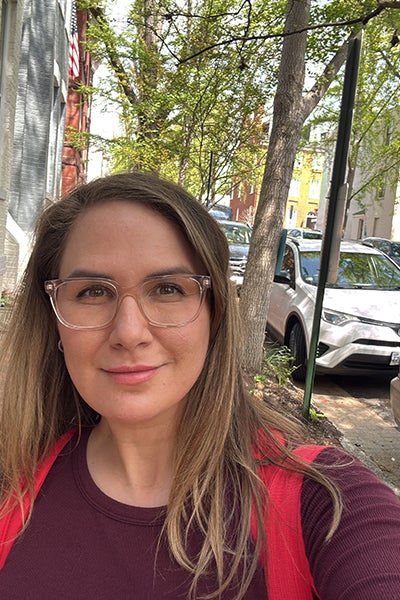
Viljena Trask
Once my flights were confirmed, I shifted focus to securing my Chinese visa. I visited the Chinese Embassy Visa Office in Washington, D.C., where the application process was smooth and straightforward. I made the most of the day by exploring Georgetown, the National Portrait Gallery, and the Holocaust Museum—places I had been wanting to visit for a while.
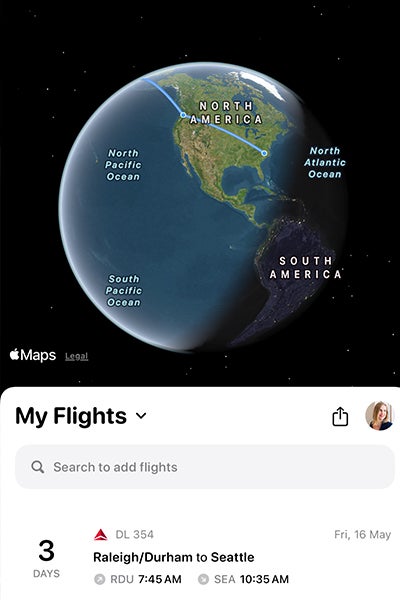
My flight plan.
Extended Adventures and Work Flexibility
Since I will be taking time off work, I had to plan carefully. Thankfully, my role at a global pharmaceutical company offers flexibility. I decided to arrive in Seoul a few days early to explore before the program officially begins.
After the academic portion ends, I will take a high-speed train from Beijing to Shanghai for a weekend visit. One of the aspects I am most excited about is the opportunity to meet colleagues in both cities—an enriching experience made possible by working on global teams.
Travel Tools and Apps
Traveling to Asia requires adjusting to different digital ecosystems. Many apps commonly used in the U.S. are less prevalent in Korea and China, so I prepared by downloading the following tools:
- Naver for maps and bookmarking locations
- Papago for real-time translations
- Trip.com to book high-speed train tickets
- Alipay for mobile payments in China
- WeChat and WhatsApp for messaging
- Airalo for international eSIM service (tip: make sure your phone is unlocked)
- TripIt and Flighty for flight tracking and itinerary management
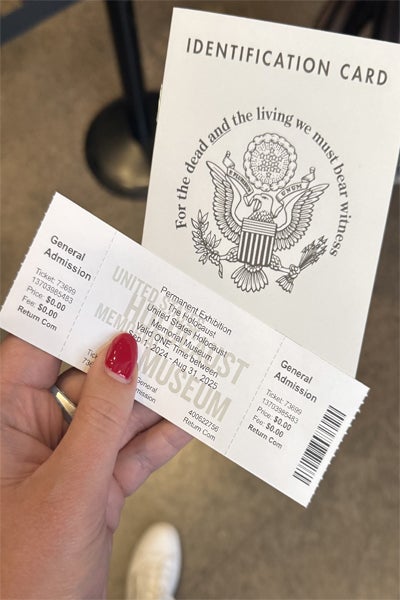
U.S. Holocaust Memorial Museum
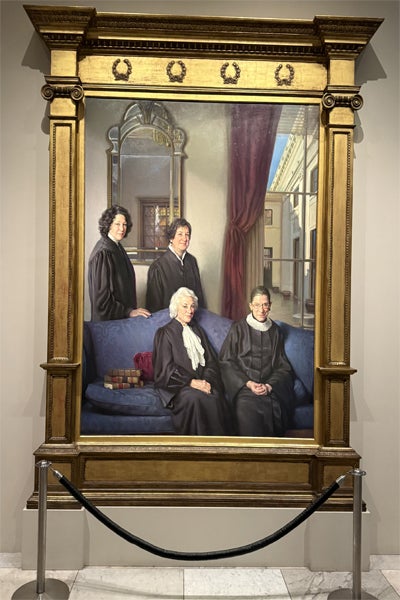
The National Gallery
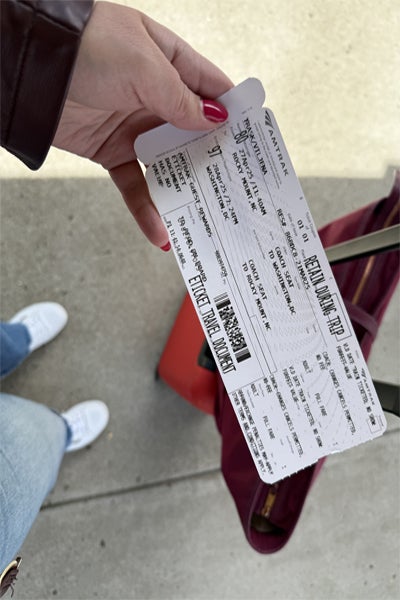
N.C. to D.C on Amtrak
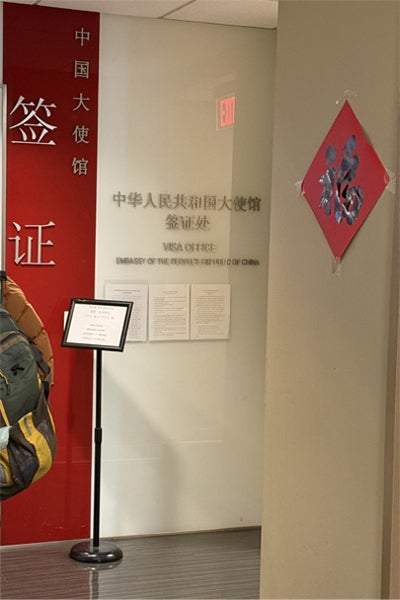
Getting my VISA.
My Seoul Must-See List
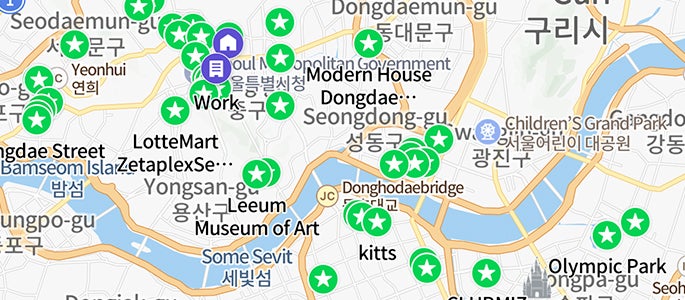
Thanks to hours of TikTok research and Naver bookmarking, my Seoul itinerary is coming together! Here are some places I am excited to visit:
- Olympic Park
- Suwon Arboretum
- Seoul Botanical Park
- Inwangsan and Hwangnyeonsan Mountains
- Coex Aquarium
- Leeum Museum of Art
- Sanrio Lovers Club and Hello Kitty Café
Final Checklist
My final to-do list includes packing essentials like outlet adapters, small gifts for colleagues (Chapel Hill Toffee is always a hit), and Girl Scout cookies. I also plan to withdraw cash from the airport ATM to purchase a T-money card, which I will use for public transportation and local purchases in Seoul.
The countdown is officially on, and I look forward to sharing more from the road!
First Impressions of Seoul: A Seamless Start to an Unforgettable Experience
By Viljena Trask, MBA Student, East Carolina University
 After weeks of anticipation, my journey to South Korea finally began. I departed on Friday morning from Raleigh-Durham International Airport and landed at Incheon International Airport on Saturday afternoon. There is a 13-hour time difference between RDU and ICN! The arrival process was incredibly smooth—immigration and baggage pickup were quick, and I immediately withdrew Korean won from a global ATM and purchased a T-money metro card. Bilingual Korean and English signs made it easy to navigate the airport and all of Seoul for the remainder of the trip, especially since I had pre-installed Naver Maps on my phone.
I took a bus directly from Terminal 2 to the Ikseon-dong area of Seoul. The ticket kiosks were intuitive—just type in your stop and swipe your payment card. The ride took just over an hour, and after checking into my hanok-style hostel, I found myself easing into the city’s rhythm with a quiet stroll through the charming hanok village of Ikseon-dong. That evening, I wandered through narrow alleys dotted with restaurants and ended up at the Cheonggyecheon riverwalk, where the Mirae Asset Tower—home to many corporate offices, including my own company’s Korean HQ—stood lit up against the night skyline.
Exploring Seoul’s Culture, Beauty, and Innovation
 With a full day free before the program officially started, I set out to explore Seoul’s metro system and key neighborhoods. I visited Olympic Park and the towering Lotte World Tower, then made a detour to the Seongsu neighborhood to explore the Olive Young flagship store. It was fascinating to see firsthand how Korean beauty brands curate immersive retail experiences, a powerful example of the country’s marketing and consumer engagement prowess.
Later, we toured through the vibrant Myeongdong shopping district, which buzzed with street vendors, retail shops, and energetic crowds. In contrast, the nearby Insadong cultural district offered a more traditional atmosphere. I also stopped at Tapgol Park, a historic site that played a pivotal role in Korea’s independence movement and recently served as a filming location for Squid Game Season 2.
As part of our group itinerary, we explored Dongdaemun Market—an incredible hub of textiles, food, and night shopping. At the end of a busy day exploring Seoul, our group gathered for a beautifully curated team dinner that offered a modern take on traditional Korean cuisine. The multi-course menu featured everything from buckwheat noodles with vegetable salad to charcoal-grilled beef short rib and seasonal fish. We ended the meal with a delicate Korean dessert and a warm cup of tea. That evening, we dipped into the nightlife scene in Itaewon and returned via the metro, which felt incredibly safe and efficient even late at night.
Nature, Business, and History: A City of Many Layers
Still adjusting to the time difference, I took advantage of the early morning hours to hike part of the Seoul City Wall, also known as Hanyangdoseong. I started at Changuimun Gate and made my way uphill along the trail. The panoramic views of the sprawling city were breathtaking, offering a rare, quiet vantage point to take in the sheer scale, infrastructure, and layered history of Seoul. It was one of the most memorable experiences of the trip.
Professionally, one of the highlights was hearing from Jaewoo Park, a senior executive of Samsung Electronics, with 18 years of experience in global sales, mergers, and government relations. His presentation highlighted how Samsung’s evolution closely mirrors South Korea’s transformation from post-war recovery to a global economic powerhouse. Mr. Park shared how the company navigates the intersection of innovation, geopolitics, and strategy, emphasizing that geopolitical dynamics increasingly influence everything from supply chain operations to product design. We learned that Samsung’s philosophy centers on people, rationality, and innovation, and that its global footprint—including manufacturing hubs in the U.S., Vietnam, and India—has been shaped by strategic foresight and political awareness. What resonated most was the message that diplomacy, regulation, and regional risk now play as critical a role in business strategy as traditional financial drivers. The session challenged us to think beyond standard business management frameworks and consider the political and social contexts in which multinational companies operate.
A Visit to the DMZ: Confronting History and Geopolitics
Our final day in South Korea took us to the Korean Demilitarized Zone (DMZ), one of the most surreal experiences of the trip. We hiked through the Third Tunnel—one of four underground tunnels built by North Korea—and visited the Dora Observatory. From there, we could see into North Korea, including the so-called “Propaganda Village” of Kijong-dong. Though it appears to be a normal, prosperous town, the village is widely believed to be a facade meant to project false affluence and attract potential defectors. It was a powerful reminder of the still-divided Korean peninsula and the complex geopolitics that continue to shape the region.
Shopping and Modern Korean Consumer Culture
 Shopping in Seoul was a cultural experience in and of itself. I visited several major retail centers, including Lotte Mall, COEX Mall, and Hyundai Department Store, where global brands showcased the latest fashion, tech, and lifestyle trends, many tailored specifically for the Asian market. The integration of technology in retail spaces, interactive displays, and trend-forward merchandising made each visit feel immersive and future-facing.
We also explored the Gangnam neighborhood in our free time, where the shopping and entertainment culture is clearly influenced by Gen-Z and Gen Alpha consumer behavior. From high-end beauty pop-ups to music-themed cafés, it was a window into how Korean youth culture is shaping trends across Asia and globally.
Of course, I could not leave without picking up a few souvenirs. My shopping haul included Korean skincare, a bibimbap cookbook, beginner Korean language books, beautifully designed bookmarks, K-pop and Sanrio-themed trinkets, and a variety of local snacks. These items will serve as reminders of my time in Seoul. I am already looking forward to coming back to explore more of Korea’s rich history, diverse regions, and cultural heritage.
Closing Reflections on South Korea
Seoul is a city where tradition and innovation coexist effortlessly. From morning hikes along ancient fortress walls to evenings in hypermodern neighborhoods like Gangnam, I found myself constantly learning about history, business, culture, and myself. These experiences laid a strong foundation for the second leg of our journey in China, and I am deeply grateful for the opportunity to learn firsthand what makes Korea such a dynamic force on the global stage.


Stepping into the Future Through the Past: Exploring Beijing
Our second leg of the journey took us to the vibrant city of Beijing, where thousands of years of imperial history blend seamlessly with modern innovation. From the awe-inspiring courtyards of the Forbidden City to the entrepreneurial energy of WE Park, Beijing was an unforgettable mix of tradition and transformation.
Immersing in History at the Forbidden City: Where Culture Meets Commerce
Walking through the Forbidden City felt like entering a living museum. An architectural marvel preserving China’s imperial past while offering rich, immersive experiences to today’s visitors. Every corner of this UNESCO World Heritage site revealed layers of history, beauty, and symbolism.
But Beijing’s cultural tourism is more than sightseeing: it is a well-developed ecosystem that fuels local economies. From guided historical tours to hanfu try-on studios offering hair and makeup services, every interaction is thoughtfully curated. Popular collectibles include:
- Souvenir block sets modeled after ancient palaces and dragons
- Temple stamp books for cultural trail collectors
- Local crafts such as painted folding screens and hand-carved ornaments
It was eye-opening to see how cultural preservation can also drive sustainable commerce, creating jobs and keeping heritage alive through art, education, and entrepreneurship.
Conquering the Great Wall: A Lesson in Perspective and Persistence
No trip to Beijing would be complete without visiting the iconic Great Wall of China, and our group had the opportunity to experience it in the most unforgettable way. We ascended to the top via a scenic chair lift, which offered panoramic views of the surrounding mountains and the impressive stone structure snaking along the ridgelines.
Standing atop one of the world’s most incredible engineering feats was humbling. The historic stones beneath our feet, the ancient watchtowers in the distance, and the sheer scale of the wall evoked a deep sense of reverence and perspective. While the climb along the steep steps was physically demanding at times, the sense of accomplishment was unmatched.
And the best part? We rode down on a fun toboggan slide, zig-zagging down the hillside while taking in the stunning scenery, an exhilarating way to end a powerful and memorable visit.
Innovation Where East Meets West: A Visit to WE Park
One of the most insightful stops in Beijing was our visit to WE Park (West & East), a revitalized 100-year-old tram factory transformed into a cutting-edge innovation hub. This site isn’t just a co-working space; it’s a platform for cultural integration, entrepreneurship, and future-forward design.
Some key highlights that stood out:
- The “WE” in WE Park represents the collaboration of West & East, bridging global creativity and local ingenuity
- Historic architecture is preserved and reimagined, with Qing Dynasty cosplay areas nestled between AI startups and sports tech developers
- Flexible work models support work-life balance, with most companies running 10 a.m.–6 p.m. schedules to reduce stress
- Digital tools like WeChat and WhatsApp are seamlessly integrated into day-to-day operations, keeping teams connected across time zones
We ended our tour along a charming cultural alley filled with artisan studios, antique dealers, and cozy cafés, showcasing how culture itself can be the foundation of thriving, modern businesses.
Final Reflections
Beijing reminded me that innovation doesn’t have to erase tradition: it can evolve alongside it. In both the Forbidden City and WE Park, I saw how cultural identity can be preserved, celebrated, and repurposed to support community growth and economic opportunity. I left with a deeper understanding of how China’s past shapes its global future, and how mindful design, immersive tourism, and cross-cultural collaboration are essential to successful international business.


Final Reflections from Shanghai: A High-Speed Finale to an Unforgettable Journey
After two incredible weeks immersed in the cultures, economies, and innovation ecosystems of South Korea and China, I extended my journey with a solo trip to one of the world’s most dynamic cities: Shanghai. Although the academic program had officially ended, this final leg offered a personal and professional opportunity to reflect, reconnect, and witness the future in motion.
Traveling Solo at the Speed of Modern China
My Shanghai experience began aboard China’s high-speed rail, traveling from Beijing South to Shanghai Hongqiao at nearly 340 kilometers per hour. In just under five hours, I covered more than 1,300 kilometers with incredible ease. The process, from digital ticketing to platform navigation, was seamless and efficient, offering a firsthand look into the infrastructure that underpins China’s innovation economy. Traveling solo provided the flexibility to take in the journey at my own pace and appreciate how well-designed systems can enhance independent travel.
A Reunion Across Continents
One of the most meaningful moments of my Shanghai visit was not planned on an itinerary. It was a spontaneous reunion with a high school friend from Latvia. Each of us had taken different paths since graduation, yet we found ourselves halfway across the world, meeting again in one of Asia’s most iconic cities. Sharing stories, meals, and memories while walking along Shanghai’s streets reminded me how global life has become and how strong bonds can remain resilient no matter how far we wander.
The Bund: Where History Meets Tomorrow
No trip to Shanghai is complete without a walk along The Bund. As the city lights illuminated the historic waterfront and the futuristic towers of Pudong, I found myself reflecting on Shanghai’s unique duality. The coexistence of colonial-era buildings with soaring skyscrapers captures the city’s spirit. It is a place that celebrates heritage while relentlessly pursuing progress. That walk became a quiet but powerful moment of personal and professional reflection.
Infrastructure and Innovation in Action
Shanghai’s urban design is a model of efficiency, cleanliness, and digital integration. From its safe and reliable metro system to the widespread use of electric vehicles and seamless mobile payments via WeChat and AliPay, the city operates with a digital-first mindset. Whether navigating public transport or ordering coffee, every experience is intuitive. Shanghai is not just a city that moves fast. It moves smart.
Cultural Identity and Public Aesthetics
Despite its technological edge, Shanghai honors its cultural roots with pride. I explored the Museum of Art Pudong and visited historic landmarks such as the First National Congress of the Chinese Communist Party. One exhibit’s message stood out:
“The quality of a country’s or city’s visual environment is a direct reflection of the public’s demand for visual culture. The greater the demand, the better the environment.”
This quote captures Shanghai’s commitment to public beauty, cultural investment, and civic pride. These are values I believe all cities should aspire to.
Business Meets Lifestyle
In Shanghai, consumer culture and heritage intersect seamlessly. Luxury brands sit beside trendy shops such as Pop Mart. Lifestyle experiences, including the immersive performance Sleep No More, illustrate how art, technology, and entertainment blend into daily life. English is more commonly spoken in Shanghai than in Beijing, and the city feels remarkably welcoming to international visitors.
Journey’s End: Coming Full Circle
As I boarded my flight back to the United States, I felt a deep sense of gratitude for the people I met, the cultures I encountered, and the opportunity to witness global business and cultural exchange in action. My solo time in Shanghai became a space to reflect on all that I have learned, not only about Asia, but also about connection, independence, and the human drive to explore.
Thank you to ECU Global Affairs, our faculty, and everyone who made this journey so impactful. I return home transformed, inspired, and more committed than ever to international collaboration in business and in life.


